The Future of High-Strength Steel in Automotive Forging
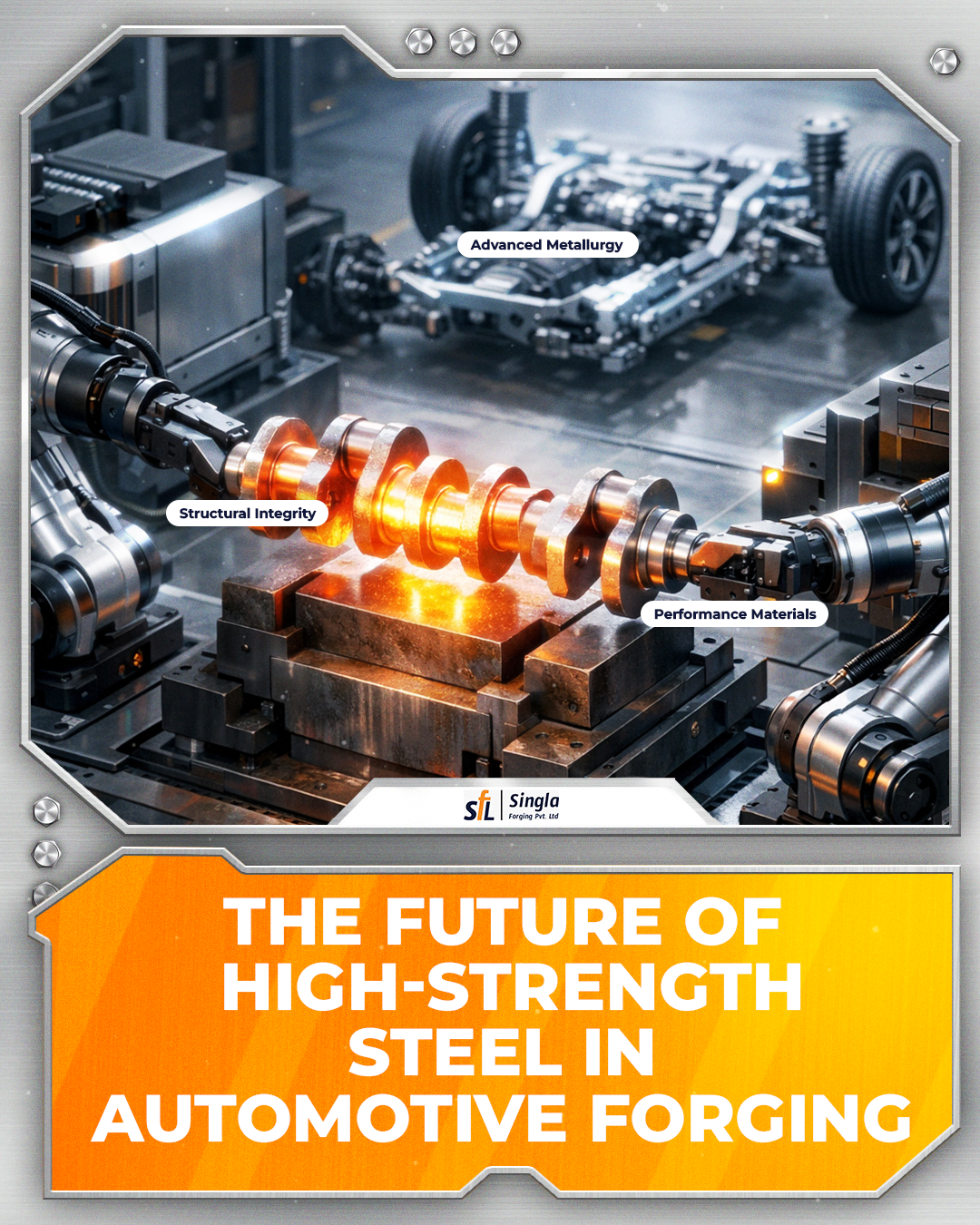
The automotive industry is undergoing a profound transformation driven by electrification, sustainability goals, and the demand for safer, lighter vehicles. At the center of this evolution lies high-strength steel (HSS)—a material that continues to redefine what is possible in automotive forging. As manufacturers push the boundaries of performance and efficiency, high-strength steel is emerging not just as a material choice, but as a strategic enabler of next-generation mobility.
The Rising Importance of High-Strength Steel
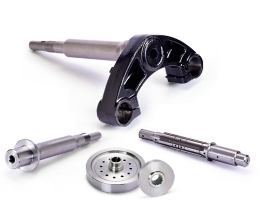
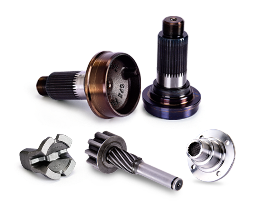
High-strength steel has become indispensable in automotive forging due to its exceptional combination of strength, durability, and cost-effectiveness. Forged steel components are widely used in critical applications such as crankshafts, gears, axles, and suspension systems—where failure is not an option.
Despite the emergence of lightweight materials like aluminum, steel still dominates nearly 70% of automotive forging applications, thanks to its superior mechanical properties and scalability for mass production.
More importantly, high-strength steel allows manufacturers to reduce weight without compromising safety, making it a key solution for meeting global fuel efficiency and emission standards.
Key Trends Shaping the Future
1. Advanced High-Strength Steels (AHSS & UHSS)
The development of Advanced High-Strength Steel (AHSS) and Ultra-High-Strength Steel (UHSS) is revolutionizing automotive forging. These materials offer higher tensile strength while maintaining ductility, enabling the production of lighter yet stronger components.
Modern forging processes now combine metallurgy with data-driven control systems to precisely tailor microstructures, enhancing fatigue resistance and performance in high-stress applications.
2. Lightweighting Without Compromise
Lightweighting remains one of the most critical priorities in automotive engineering. High-strength steel enables thinner, lighter components that still meet stringent crash and durability standards.
This is especially important as automakers strive to reduce emissions and improve fuel efficiency while maintaining structural integrity.
3. Electrification and EV-Driven Demand
The shift toward electric vehicles (EVs) is reshaping the role of forging. While EVs have fewer moving parts, they still require high-strength forged components for:
- Chassis structures
- Battery enclosures
- Suspension systems
High-strength steel is crucial in ensuring impact resistance and structural safety in EV platforms, creating new growth opportunities for forging manufacturers.
4. Smart Forging and Industry 4.0
The integration of AI, sensors, and digital twins is transforming traditional forging into a smart, data-driven process. Modern forging facilities now use:
- Real-time monitoring of temperature and pressure
- Predictive maintenance systems
- Automated quality inspection
These advancements improve consistency, reduce waste, and ensure high precision—critical for high-strength steel applications.
5. Sustainability and Energy Efficiency
Sustainability is no longer optional. High-strength steel contributes to greener manufacturing by:
- Reducing material usage through optimized designs
- Enabling energy-efficient heat treatment processes
- Supporting vehicle lightweighting for lower emissions
Additionally, innovations in microalloying and controlled processing are helping reduce energy consumption during forging operations.
Technological Innovations Driving Growth
The future of high-strength steel in automotive forging is being shaped by continuous innovation in both materials and processes:
- Microalloyed steels with elements like niobium and vanadium for enhanced strength
- Near-net-shape forging to minimize machining and material waste
- Precision and cold forging for improved surface finish and dimensional accuracy
- Hybrid manufacturing techniques combining forging with advanced machining
These technologies are enabling manufacturers to produce complex, high-performance components at scale while maintaining cost efficiency.
Challenges Ahead
Despite strong growth prospects, the industry still faces notable challenges.
- Fluctuating raw material costs
- Complexity in processing advanced steel grades
- Competition from alternative lightweight materials
- The necessity for specialized expertise supported by advanced technologies
Addressing these challenges will require continued investment in R&D and process optimization.
The Road Ahead
The future of high-strength steel in automotive forging is undeniably strong. As the industry moves toward electric, autonomous, and sustainable mobility, the demand for high-performance, lightweight, and reliable components will only increase.
High-strength steel stands out as a material that bridges performance, safety, and sustainability—making it a cornerstone of modern automotive engineering.
For forging manufacturers, the path forward is clear:
embrace advanced materials, adopt smart manufacturing technologies, and align with evolving automotive demands.
Conclusion
High-strength steel is not just evolving—it is redefining automotive forging. With advancements in metallurgy, digital manufacturing, and sustainability, it is set to play a critical role in shaping the vehicles of tomorrow.
As innovation accelerates, those who leverage the full potential of high-strength steel will lead the future of automotive manufacturing.