Energy Efficiency Improvements in Modern Forging Plants
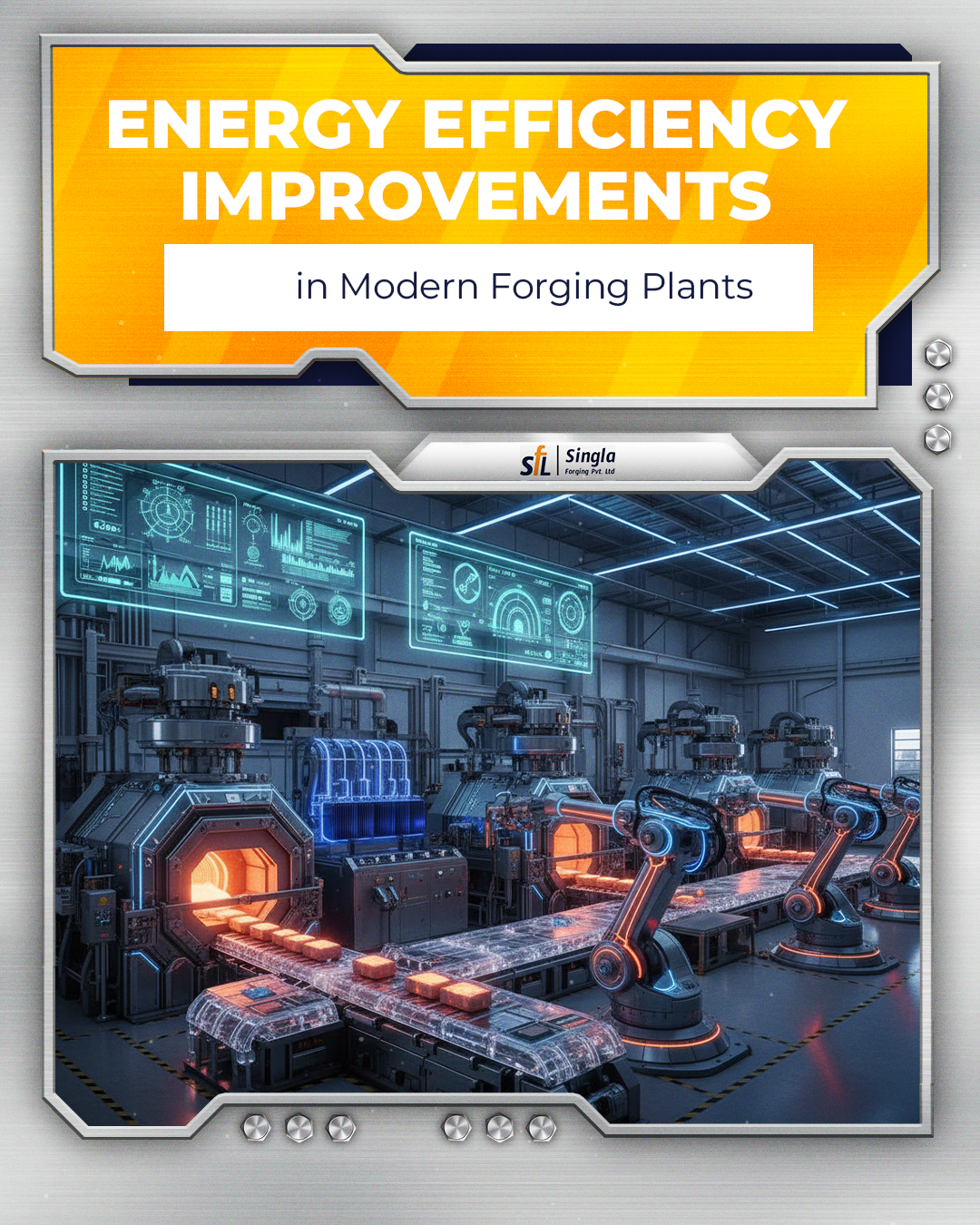
The forging industry has always been energy-intensive. From heating raw metal billets to operating heavy presses and heat treatment systems, forging plants consume large amounts of electricity and fuel every day. Rising energy costs, stricter environmental regulations, and increasing pressure for sustainable manufacturing are now forcing forging companies to rethink how they operate.
Modern forging plants are no longer focused only on production output. Energy efficiency has become a major factor in improving profitability, reducing emissions, and maintaining long-term competitiveness. Today’s advanced forging facilities are adopting smarter technologies, automated systems, and optimized production methods to reduce energy waste without compromising quality.
Why Energy Efficiency Matters in Forging
Energy represents one of the highest operating costs in a forging plant. Traditional forging operations often experience significant energy losses through inefficient heating systems, outdated machinery, compressed air leaks, and excessive idle running times.
Improving energy efficiency offers multiple benefits:
-Lower operational costs
For modern manufacturers, energy efficiency is no longer just a sustainability initiative - it is a direct business advantage.
Advanced Furnace Technologies
Heating furnaces are among the biggest energy consumers in forging plants. Traditional furnaces often lose large amounts of heat due to poor insulation, uncontrolled combustion, and outdated burner systems.
Modern forging plants are improving furnace efficiency through:
Induction Heating Systems
-Faster heating cycles
-Reduced oxidation and scaling
-Higher energy conversion efficiency
Induction heating is especially effective for high-volume forging operations where consistency and speed are critical.
Improved Furnace Insulation
Automation has become a major driver of energy savings in forging operations. Intelligent monitoring systems can optimize machine usage, reduce idle times, and improve production scheduling.
Real-Time Energy Monitoring
Modern plants use sensors and digital monitoring systems to track energy consumption across different processes. This helps identify:
-Excessive power usage
With real-time data, plant managers can make faster and more accurate operational decisions.
Automated Temperature Control
Precise temperature management reduces overheating and unnecessary fuel consumption. Automated systems maintain consistent forging temperatures while minimizing energy waste.
Predictive Maintenance
Unexpected machine failures often lead to energy inefficiencies. Predictive maintenance systems use machine data to detect wear and performance issues before breakdowns occur. Well-maintained equipment operates more efficiently and consumes less energy.
Energy-Efficient Forging Equipment
Modern forging presses and hammers are designed with improved energy performance in mind.
Servo-Driven Presses
Servo press technology allows better control over force, speed, and motion during forging operations. Compared to conventional hydraulic systems, servo presses offer:
-Lower power consumption
Efficient Hydraulic Systems
New hydraulic technologies use variable-speed pumps and advanced control systems to reduce unnecessary energy usage during low-demand periods.
Electric Forging Presses
Some advanced facilities are shifting toward fully electric forging equipment, which eliminates many inefficiencies associated with traditional hydraulic systems.
Waste Heat Recovery Systems
Large amounts of heat generated during forging processes are often lost to the environment. Modern forging plants are increasingly using waste heat recovery systems to capture and reuse this energy.
Recovered heat can be used for:
-Preheating raw materials
This approach reduces overall fuel consumption and improves plant-wide energy utilization.
Optimized Material Handling Systems
Inefficient material handling can increase production time and energy usage. Modern forging plants are improving efficiency through:
-Automated conveyors
Efficient material flow reduces machine idle time and improves overall productivity.
Compressed Air System Optimization
Compressed air systems are often overlooked sources of energy loss. Air leaks, pressure drops, and outdated compressors can waste significant electricity.
Modern forging plants improve compressed air efficiency by:
-Detecting and repairing leaks
These improvements can lead to substantial long-term energy savings.
Renewable Energy Integration
Some forging facilities are beginning to integrate renewable energy sources into their operations.
Common approaches include:
-Solar power systems
Although renewable integration may not fully replace industrial power requirements, it can significantly reduce dependency on conventional energy sources.
Employee Training and Energy Awareness
Technology alone cannot achieve maximum efficiency. Skilled operators and maintenance teams play a critical role in reducing energy waste.
Modern forging plants invest in employee training programs focused on:
-Efficient machine operation
Small operational improvements across daily activities can collectively generate major energy savings.
Sustainability and Competitive Advantage
Energy efficiency is now closely tied to sustainability goals. Automotive, aerospace, and industrial customers increasingly prefer suppliers with environmentally responsible manufacturing practices.
Forging companies that invest in energy-efficient systems can strengthen their market position by offering:
-Lower production costs
This creates long-term value for both manufacturers and customers.
Conclusion
Energy efficiency improvements are transforming modern forging plants. Advanced heating systems, automation, smart monitoring, waste heat recovery, and efficient machinery are helping manufacturers reduce operational costs while improving productivity and sustainability.
As energy prices continue to rise and environmental expectations become stricter, forging companies that adopt energy-efficient technologies will be better positioned for future growth. Modern energy management is no longer optional in forging — it is becoming an essential part of competitive manufacturing strategy.
For forging manufacturers, the path forward lies in combining innovation, operational discipline, and sustainable engineering practices to build smarter and more efficient production facilities.